Cómo Tramitar una Visa Americana en Guatemala: Step-by-Step Guide
Actualizado: 19 de abril de 2026
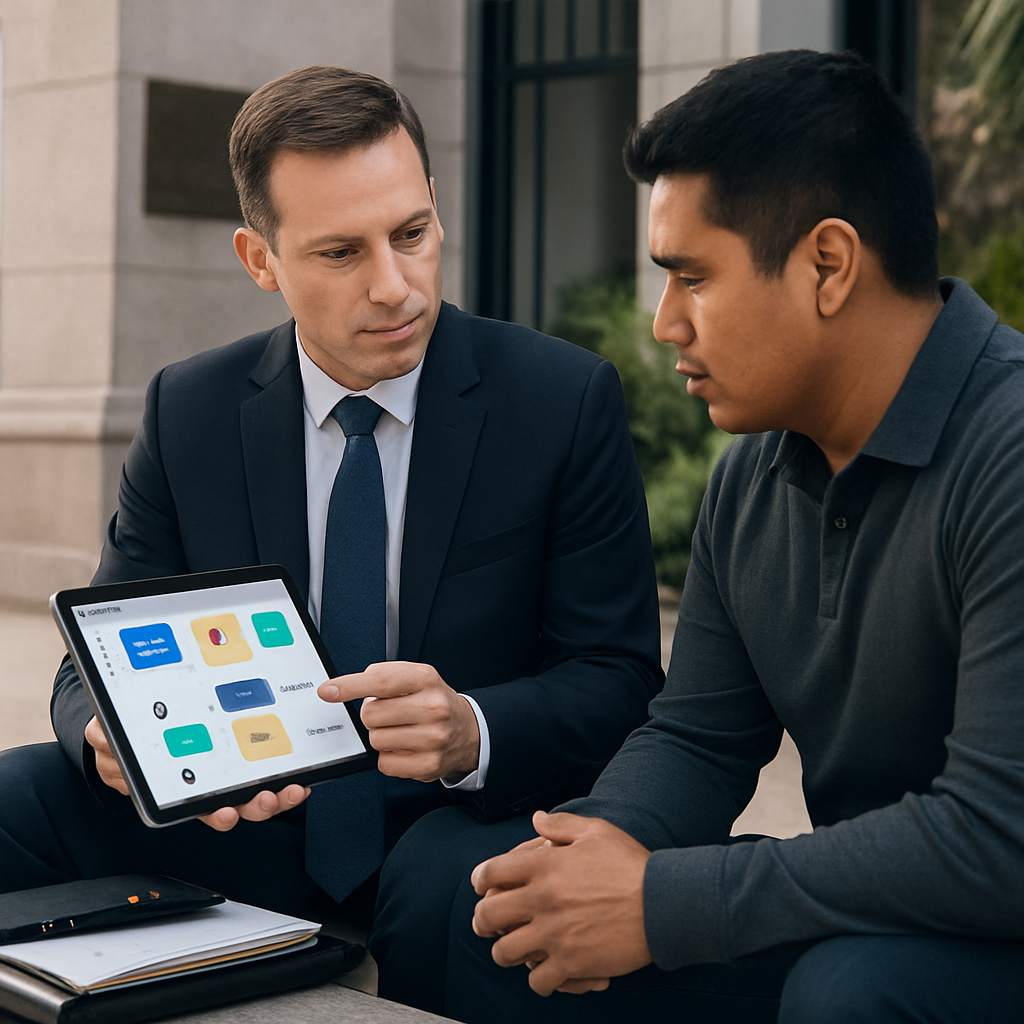
This guide explains the practical steps Guatemala nationals should follow to apply for a US visa at the U.S. Embassy Guatemala City. It covers prerequisites, the consular interview process, document preparation, common non-immigrant and humanitarian pathways such as H-2A agricultural visas, TPS considerations for Guatemala, and asylum basics relevant to applicants who may pursue protection in the United States.
Designed for managing partners, immigration attorneys, in-house counsel, and practice managers evaluating legal-tech tools, the guide also highlights how LegistAI integrates into immigration workflows—automating document drafting, evidence checklists, client intake, and case tracking to improve accuracy and throughput while maintaining security controls like role-based access and encryption.
Cómo ayuda LegistAI a equipos de inmigración
LegistAI ayuda a firmas de inmigración a operar con flujos más rápidos y ordenados en intake, documentos y fechas límite.
- Agenda una demo para mapear estos pasos a tus tipos de caso.
- Explora funciones para gestión de casos, automatización documental e investigación con IA.
- Revisa precios para estimar ROI según tu equipo.
- Compara opciones en comparativa.
- Encuentra más guías en perspectivas.
Más sobre LATAM Location Guides
Explora el hub de LATAM Location Guides para ver todas las guías y checklists relacionadas.
Prerequisites and Eligibility for a visa americana en Guatemala
Before beginning any visa application at the U.S. Embassy Guatemala City, confirm the relevant visa category and eligibility criteria. Common consular visa categories for Guatemala applicants include family-based immigrant visas, employment-based visas, non-immigrant work visas (notably H-2A and H-2B for temporary agricultural and non-agricultural workers), and visitor visas. Humanitarian pathways such as Temporary Protected Status (TPS) and asylum are separate administrative and judicial processes; applicants should consult counsel to determine eligibility and timing.
Practical prerequisites to gather and verify early in the process:
- Valid Guatemalan passport with adequate validity for intended travel.
- Appropriate visa petition or DS-160 confirmation where required (non-immigrant) or immigrant petition approval notice where applicable.
- Supporting documents: civil records, employment contracts, pay stubs, proof of ties to Guatemala for non-immigrant intent, and country-condition documentation for humanitarian claims.
- Evidence of fee payments and medical exam results when required for immigrant visas.
For counsel and practice managers, LegistAI helps standardize prerequisites across matters by creating automated checklists and intake templates that reflect each visa class. This reduces missing-document risks and speeds onboarding for paralegals. The platform supports multi-language client intake (including Spanish) to streamline collection from clients in Guatemala and diaspora communities in Los Angeles, Houston, and the DC area.
Estimated effort: initial intake and document collection typically range from 2–10 hours of combined attorney and staff time depending on complexity. Difficulty level: low to moderate for straightforward non-immigrant visas; moderate to high for immigrant petitions, H-2A compliance, TPS planning, or asylum filings. Use LegistAI to triage complex matters, flag missing evidence automatically, and route tasks to the right team member for review.
Step-by-Step Application at U.S. Embassy Guatemala City
This section provides a clear numbered workflow you can apply when submitting a visa application through the U.S. Embassy Guatemala City. The sequence below follows standard consular processing steps and integrates practice-management tasks that law firms and corporate immigration teams should perform to ensure compliance and efficiency.
- Confirm visa category and petition status. For immigrant or petition-based visas, verify petition approval from USCIS or the sponsoring entity. For non-immigrant visas like H-2A, ensure employer petitions and attestations meet DHS requirements.
- Complete required online forms. Non-immigrant applicants typically complete DS-160; immigrant applicants follow the NVC/consular instructions. Save confirmation numbers and receipts.
- Pay fees and schedule appointments. Pay consular fees and schedule the embassy appointment in Guatemala City. Maintain payment receipts in the case file.
- Collect documents and evidence. Use a master checklist to assemble civil documents, employment letters, contracts (for H-2A), financial evidence, and photographs meeting consular specifications.
- Prepare the client for the interview. Draft interview summaries, likely questions, and evidence presentation strategies. For asylum and TPS planning, document country conditions and legal arguments thoroughly for counsel review.
- Attend appointment and deliver biometrics. At the embassy, applicants provide biometrics, undergo an interview, and submit any requested documents.
- Post-interview follow-up. Monitor case status, respond to consular requests, and track passport return or refusal documentation.
Estimated effort/time: plan for 6–20 hours of attorney and staff time from intake to post-interview follow-up, varying by visa class. Difficulty: moderate for routine non-immigrant processing; higher for complex immigrant filings or humanitarian claims that require legal analysis.
LegistAI implementation tips for each step:
- Create automated form-fill templates to pre-populate DS-160 fields from intake data, reducing repetition and keying errors.
- Use AI-assisted drafting for cover letters, petition narratives, and support letters tailored to H-2A job descriptions and employer attestations.
- Route tasks automatically with workflows that send document-collection reminders to clients and checklists to staff for verification.
For Guatemala-specific intake flows, configure LegistAI templates in Spanish to capture employer contracts, work schedules, and agricultural job descriptions for H-2A cases. Maintain audit logs for each action to demonstrate chain-of-custody for evidence and client communications during compliance reviews.
Document Preparation, Evidence Strategy, and Using LegistAI in Guatemala City Cases
Document assembly and evidence strategy are decisive for consular outcomes and administrative reviews. In Guatemala City matters—whether family-based immigrant petitions, H-2A worker petitions, TPS-related documentation, or asylum referrals—effective evidence management reduces delays and strengthens the case narrative.
Key evidence categories and how to manage them:
- Identity and civil records: birth certificates, marriage certificates, police records. Where documents require translation, ensure certified translations are included and logged.
- Employment and contract evidence: for H-2A, collect employer contracts, job itineraries, wage statements, and housing assurances. Use standardized templates so every job file contains required attestations.
- Financial documents: pay stubs, employer letters, tax forms, and bank statements when proving non-immigrant intent or maintenance for immigrant petitions.
- Country condition evidence: for TPS and asylum planning, assemble contemporaneous reporting, affidavits, and legal analysis to support claims.
How LegistAI optimizes document preparation:
- Automated templates: create template sets for each visa class that auto-populate from intake data to reduce drafting time.
- AI-assisted drafting: generate initial petition narratives, RFE responses, and support letters with attorney review annotations to speed revision cycles.
- Checklist enforcement: mandatory fields and document gates ensure no files proceed to scheduling until required evidence is present.
- Security controls: role-based access control, encryption in transit and at rest, and audit logs maintain client confidentiality and compliance during evidence handling.
Implementation artifact — Mandatory Evidence Checklist for a consular immigrant visa (example):
- Valid passport copy
- Birth certificate and certified translation
- Marriage certificate (if applicable) and translations
- Police clearance or local certificates as required
- Affidavits of support and financial documents
- Medical exam results (as directed)
- Proof of petition approval or NVC case number
Practice guidance: preserve original documents and store scanned copies in the LegistAI secure repository. Use the platform's versioning and audit logs to track who accessed documents and when. For remote clients in Guatemala, enable the client portal for secure upload of scanned documents and use automated reminders to reduce missing-document cycles.
Interview Preparation at U.S. Embassy Guatemala City and Consular Best Practices
The consular interview is a critical stage where organized evidence, coherent interview preparation, and counsel-led mock sessions improve the applicant’s confidence and clarity. Whether the embassy interview is for a non-immigrant visa, immigrant visa, or a family petition, attorneys and practice managers should prepare interview scripts, evidence bundles, and a response strategy for likely consular questions.
Practical steps for preparing applicants:
- Conduct a pre-interview checklist review to confirm all required documents are present and correctly formatted.
- Hold a mock interview to rehearse concise answers to standard questions: purpose of travel, ties to Guatemala, employment history, and family relationships.
- Prepare a one-page evidence summary for the consular officer highlighting key documents and where they are in the bundle.
- Instruct the client on conduct at the embassy: arrival times, what to bring, biometrics procedures, and how to address any follow-up requests.
For asylum or TPS-related interviews, the strategy differs: asylum applicants may undergo credible fear screenings or affirmative interviews with USCIS (often conducted in the U.S.). TPS applications rely on thorough documentation of nationality and country conditions. Counsel should map out administrative pathways and prepare legal analysis and briefs when appropriate.
LegistAI features that support interview preparation:
- AI-generated interview scripts: produce practice Q&A tailored to the client's facts and the visa class.
- Summarized evidence briefs: auto-generate a one-page narrative that references exhibit numbers and document locations to present to a consular officer.
- Task routing: assign a paralegal to assemble the physical or digital interview bundle with quality checks enforced by the workflow engine.
Finally, document post-interview steps within the case timeline: expected passport return, administrative processing flags, or instructions for additional evidence submission. Track these items in LegistAI with automated reminders for attorneys and clients, ensuring timely responses that respect consular deadlines.
H-2A Process and Agricultural Worker Visas from Guatemala
H-2A visas provide a temporary agricultural employment pathway and are especially relevant for Guatemalan workers recruited for seasonal agricultural labor in the United States. Employers must meet specific labor and wage requirements and follow DHS and DOL regulations. Attorneys working on H-2A petitions should coordinate employer compliance documents, worker contracts, and recruitment evidence.
Representative practical steps for H-2A cases involving Guatemalan workers:
- Employer intake and labor condition compliance: gather the employer’s job orders, recruitment efforts, and wage calculations to ensure DOL requirements are met.
- Prepare worker-specific files: collect identity documents, criminal record checks as needed, and signed employment contracts with clear job descriptions and living arrangements.
- Draft the H-2A petition and related statements: include employer attestations and mitigations for any potential compliance issues.
- Coordinate consular processing: once petition approval is secured, guide workers through the DS-160, embassy appointments at Guatemala City, and the required medical exams and biometrics.
LegistAI capabilities that increase throughput and reduce compliance risk for H-2A matters:
- Template-based contract assembly: generate consistent employment contracts and offer letters with required clauses and wage calculations.
- Automated checklist validation: ensure recruitment steps and DOL notices are documented before case submission.
- Multi-language intake: Spanish-language portals accelerate worker onboarding and reduce miscommunication.
Security and auditability are critical in H-2A files because government audits may scrutinize employer records. Use LegistAI’s role-based access control to limit who can view or edit sensitive employer wage data. Maintain audit logs for recruitment records and contract updates. These controls help immigration teams demonstrate rigorous compliance if a matter undergoes administrative review or an employer faces an inquiry.
TPS and Asylum Considerations for Guatemala Applicants
Temporary Protected Status (TPS) and asylum are distinct legal paths with different procedures. TPS is a designated humanitarian status granted to nationals of certain countries due to ongoing armed conflict, environmental disaster, or other extraordinary conditions; applicants must meet registration windows and eligibility requirements. Asylum is a protection pathway for individuals who fear persecution based on defined grounds. Both require careful legal analysis and evidence of qualifying circumstances.
For Guatemala nationals evaluating TPS or asylum options, consider the following workflow:
- Initial legal assessment: evaluate eligibility criteria, timeliness, and prior immigration history that may affect admissibility.
- Evidence collection: gather contemporaneous country condition reporting, affidavits, medical or police records, and witness statements to support a claim.
- Draft legal narratives and briefs: prepare a coherent legal argument demonstrating eligibility, whether for a TPS designation or an asylum claim.
- Prepare for interviews and hearings: asylum seekers may have interviews with USCIS or hearings before immigration courts; TPS applicants may need to demonstrate continuous presence and meet re-registration requirements.
How LegistAI supports TPS and asylum workflows:
- AI-assisted legal research: rapidly summarize relevant country condition materials and precedents to inform legal arguments.
- Drafting support: produce initial declarations and briefing outlines for attorney revision.
- Case tracking: monitor deadlines for TPS registration windows and asylum filing deadlines, and automate reminders to clients and counsel.
Practical caution: do not assume TPS is available or guaranteed; eligibility depends on official designation. Likewise, asylum outcomes depend on individualized adjudication. Maintain a data-driven approach: use LegistAI to centralize evidence, document versions, and a timeline that supports credibility determinations. For applicants with ties to US communities (e.g., in Los Angeles, Houston, or DC), coordinate with local counsel and support networks for witness statements and corroborating evidence where appropriate.
Post-Decision Steps, Appeals, and Administrative Processing
After the embassy decision—visa approval, administrative processing, or refusal—follow structured steps to complete the case file and respond when necessary. Administrative processing can involve security checks or request for additional documentation; refusals often provide a section 221(g) or 214(b)-type reason that must be addressed. Attorneys should plan for prompt follow-up, record-keeping, and appeals or motions when appropriate.
Standard post-decision workflow:
- Document the consular result in the case file and note any conditions or requests.
- If additional evidence is requested, prepare a targeted response and submit via the method specified by the embassy.
- For refusals, analyze the refusal grounds and advise clients on options: reapplication after addressing deficiencies, seeking further administrative review where applicable, or pursuing alternative immigration pathways like family-based petitions or employment-based sponsorship.
- For approved visas, confirm travel arrangements, record passport return, and close the matter with a debrief that captures lessons for future case templates.
LegistAI features that streamline post-decision processes:
- Automated status tracking: update matter status automatically when a consular update is received and notify team members.
- RFE and consular response drafting: use AI templates to draft precise responses referencing exhibit numbers and legal rationale.
- Audit-ready documentation: maintain a complete record of communications, submissions, and evidence to support appeals or administrative reviews.
Difficulty: handling administrative processing or refusals can be time-consuming and requires careful legal analysis; plan for additional staff hours and document collation. Use LegistAI to create a reusable template for common refusal responses and to monitor timelines for filing any appeals or motions where legally available.
Troubleshooting Common Issues and How to Use Technology to Resolve Them
Consular processing and immigration filings often hit recurring roadblocks: missing evidence, translation errors, inconsistent statements, and delay-causing administrative processing. This troubleshooting section provides practical fixes and describes how trusted legal technology reduces friction in Guatemala visa workflows.
Common issue 1 — Missing documents: When an embassy requests additional evidence, gather the itemized list from the consular note and prioritize documents that address identity and petition-specific deficiencies. LegistAI’s checklist enforcement prevents matters from progressing to appointment scheduling until required documents are uploaded, which reduces the incidence of post-appointment follow-ups.
Common issue 2 — Translation and formatting errors: Consular officers require certified translations and proper document formatting. Maintain translation templates and a repository of certified translators and ensure all uploads follow specified file naming conventions. Use the platform to automate translation reminders and to attach translator affidavits to the exhibit list.
Common issue 3 — Inconsistent statements: Discrepancies between intake answers, petition narratives, and interview testimony create credibility problems. LegistAI can produce a consolidated summary of client statements and identify inconsistencies automatically so counsel can address them before submission or interview.
Common issue 4 — Administrative processing delays: Track cases that enter administrative processing in a dedicated queue, assign responsible team members, and schedule periodic follow-ups with the embassy or consular call center. Keep the client informed via automated status updates through the client portal.
Troubleshooting best practices:
- Use a centralized timeline for every case capturing intake dates, petitions, fees, appointments, and post-decision actions.
- Standardize evidence packets using templates and exhibit numbering to facilitate quick review and consular submission.
- Assign clear ownership: every task should have an accountable staff member with SLA-based deadlines enforced by the workflow engine.
By combining a disciplined legal workflow with LegistAI’s automation—secure document repositories, AI-assisted checks for consistency, and role-based access controls—you reduce errors that lead to denials or administrative delays and increase throughput without proportionally increasing staff headcount.
Implementation Checklist and Comparison Table for Law Firms
This section provides a short implementation checklist firms can follow when integrating an AI-native solution like LegistAI to manage Guatemala-based visa matters. It also includes a concise comparison table contrasting AI-native immigration platforms with traditional case management approaches.
Implementation checklist (numbered):
- Define target visa classes to automate (e.g., H-2A, family-based immigrant, TPS intake).
- Create standardized intake templates in Spanish and English for Guatemala clients.
- Build document and evidence checklists for each visa type and configure required gates.
- Set up role-based access and audit logging to meet your security policies.
- Train staff on AI-assisted drafting and review workflows with a pilot group.
- Monitor KPIs for throughput, time-to-complete, and error rates; iterate on templates and workflows.
Comparison table:
| Capability | LegistAI (AI-native) | Traditional Case Management |
|---|---|---|
| Automated drafting | AI-assisted templates for petitions and RFE responses | Manual templates and copy-paste drafting |
| Workflow automation | Task routing, checklists, approvals integrated with client intake | Manual task assignment and email-based follow-up |
| Evidence validation | Auto-checks and missing-document flags | Manual review prone to omissions |
| Security controls | Role-based access, audit logs, encryption in transit and at rest | Varies by vendor; may require add-ons |
| Language support | Built-in multi-language intake including Spanish | Often requires manual translation workflows |
Using this checklist, a small-to-mid sized firm can pilot LegistAI on a subset of Guatemala-focused visa types to evaluate ROI: faster drafting cycles, fewer missing documents, and more predictable scheduling. Document the pilot outcomes in a brief that includes time savings, compliance incidents avoided, and staff feedback to support broader roll-out decisions.
Conclusiones
Applying for a visa americana en Guatemala requires a structured approach: confirm eligibility, assemble required documents, prepare the client for the consular interview at U.S. Embassy Guatemala City, and manage post-decision follow-up carefully. For law firms and corporate immigration teams, tying these steps into a repeatable workflow reduces errors and saves attorney time.
LegistAI is designed to help teams scale Guatemala visa workflows—from H-2A employer files and TPS planning to consular interview prep—by automating evidence checklists, accelerating drafting, and enforcing security controls like role-based access and audit logs. To evaluate LegistAI for your office, request a tailored demo to see how automated templates, intake in Spanish, and AI-assisted drafting will integrate with your practice and improve throughput. Contact our team to schedule a demo and pilot focused on Guatemala visa workflows.
Preguntas frecuentes
Can LegistAI help with TPS-related document assembly for Guatemala nationals?
Yes. LegistAI streamlines TPS-related document collection by providing automated intake templates, evidence checklists, and AI-assisted drafting for declarations and support letters. The platform centralizes country-condition documents and maintains audit logs for compliance, but legal eligibility and the decision to file remain attorney-driven.
How can my firm prepare Guatemalan H-2A applicants for embassy interviews?
Prepare a concise interview script, assemble an evidence bundle that includes employment contracts and wage attestations, and run mock interviews. Use workflow tools to ensure all required documents and translations are present and to assign owners for each item in the case file.
What security controls does LegistAI provide for sensitive Guatemala client files?
LegistAI offers role-based access control to restrict document and feature access, audit logs to track user activity, and encryption both in transit and at rest to protect sensitive client information during intake, drafting, and storage.
Does LegistAI support Spanish-language client intake for Guatemala-based cases?
Yes. Multi-language intake, including Spanish, is available to capture client data accurately and reduce translation cycles. This feature speeds onboarding for clients in Guatemala and diaspora communities in the U.S., improving data quality from the start.
How should firms handle administrative processing or consular refusals in Guatemala cases?
Document the consular communication in the case timeline, gather targeted additional evidence if requested, and prepare a legal analysis of any refusal grounds. Use automated status tracking and drafting templates to standardize responses and maintain a complete audit trail for appeals or reapplications.
Can LegistAI generate H-2A contracts and employer attestations automatically?
LegistAI can generate standardized employment contracts and attestation templates that attorneys customize and approve. These templates help ensure consistency and compliance with required clauses, but final legal review by counsel is necessary before submission.
¿Quieres implementar este flujo con ayuda?
Podemos revisar tu proceso actual, mostrar una implementación de referencia y ayudarte a lanzar un piloto.
Agenda una demo privada o revisa precios.
Perspectivas relacionadas
- Cómo Tramitar una Visa Americana en México: Paso a Paso
- Cómo Tramitar una Visa Americana en Venezuela: Paso a Paso
- Guía de Inmigración a EE.UU. desde Honduras: Visas, Procesos y Requisitos
- Opciones de Visa para Ciudadanos de México: TN, H-2A, H-2B
- Opciones de Visa para Ciudadanos de El Salvador: TPS, Asylum, Family-Based